The Center of the Universe

St Croix, United States Virgin Islands

MOSLER'S LAW: There is no financial crisis so deep that a sufficiently large net increase in public spending cannot deal with it.

Archive for the 'Currencies' Category


Financial Architecture Fundamentals

Posted by WARREN MOSLER on 11th June 2009


[Skip to the end]

Power Point I did for a conference discussion.

Financial Architecture Fundamentals


[top]

http://www.moslereconomics.com/wp-content/plugins/sociofluid/images/digg_48.png http://www.moslereconomics.com/wp-content/plugins/sociofluid/images/stumbleupon_48.png http://www.moslereconomics.com/wp-content/plugins/sociofluid/images/delicious_48.png http://www.moslereconomics.com/wp-content/plugins/sociofluid/images/newsvine_48.png http://www.moslereconomics.com/wp-content/plugins/sociofluid/images/technorati_48.png http://www.moslereconomics.com/wp-content/plugins/sociofluid/images/facebook_48.png http://www.moslereconomics.com/wp-content/plugins/sociofluid/images/twitter_48.png

Posted in Banking, CBs, Currencies, Deficit, Fed, Government Spending, Obama, Uncategorized | 3 Comments »

BRICs Add $60 Billion Reserves as Zhou Derides Dollar

Posted by WARREN MOSLER on 8th June 2009


[Skip to the end]

They don’t like to buy dollars but they don’t want their currencies to appreciate and risk export market share.

And Bernanke, Geithner, and Obama want them to let their currencies appreciate to help our exports and ALSO want them to buy dollars and treasury securities because they think we need that to fund our deficit spending.

It is one confused and sorry state of affairs on our part.

On balance it looks like our exports won’t be going up nearly as fast as imports especially with crude prices higher. And a good chunk of domestic demand will be channeled towards imports (including those new fiats…). And with flattish GDP and rising unemployment and talk of spending cuts and tax increases it’s starting to look very grim again.

Not to mention no plan to cut imported energy bills anytime soon.

BRICs Add $60 Billion Reserves as Zhou Derides Dollar

by Shanthy Nambiar and Lilian Karunungan

June 8 (Bloomberg) — Reserves Reversal

Asian central banks, excluding China, ran down foreign-
exchange reserves by more than $300 billion in the 12 months
ended April 30, according to London-based HSBC Holdings Plc.
Russia’s slid by $213 billion in the eight months ended March 31,
central bank data show. Brazil’s reserves dropped $5.7 billion
in the six months ended Feb. 27.


[top]

http://www.moslereconomics.com/wp-content/plugins/sociofluid/images/digg_48.png http://www.moslereconomics.com/wp-content/plugins/sociofluid/images/stumbleupon_48.png http://www.moslereconomics.com/wp-content/plugins/sociofluid/images/delicious_48.png http://www.moslereconomics.com/wp-content/plugins/sociofluid/images/newsvine_48.png http://www.moslereconomics.com/wp-content/plugins/sociofluid/images/technorati_48.png http://www.moslereconomics.com/wp-content/plugins/sociofluid/images/facebook_48.png http://www.moslereconomics.com/wp-content/plugins/sociofluid/images/twitter_48.png

Posted in China, Currencies, India, Russia | 10 Comments »

China not backing down on the push to export

Posted by WARREN MOSLER on 1st June 2009


[Skip to the end]

This is a few days old but shows all the talk about domestic demand isn’t taking anything away from the desire to export:

China to Take Steps to Boost Exports; Will Keep Currency Stable

May 27 (Bloomberg) — China’s State Council, or Cabinet, said the government will take steps to boost exports while keeping the country’s currency “basically stable,” the state television reported today.

Falling exports are the biggest challenge for the world’s third-largest economy, the council said.

China introduced a 4 trillion-yuan ($586 billion) stimulus package last year as exports slumped and economic growth slowed. Maintaining external demand can create favorable conditions for employment, businesses and domestic consumption, China Central Television said today, citing a council meeting headed by Premier Wen Jiabao.

The nation will keep its currency “basically stable at a reasonable and balanced level,” the council said, without elaborating.

China will take all measures to stabilize overseas demand as shrinking exports are the nation’s biggest challenge, “currently and for some period of time in the future,” the council said.

The government will focus on exports involving intensive labor and advanced technology, according to the report.

The government will arrange $84 billion in short-term export credit insurance for 2009, the council said. The coverage of export credit insurance will also be expanded, it said.

China will allocate additional funds to support exporter guarantees, according to the report. About $10 billion will be set aside as credit for the export industry in 2009, the state television said, without elaborating.


[top]

http://www.moslereconomics.com/wp-content/plugins/sociofluid/images/digg_48.png http://www.moslereconomics.com/wp-content/plugins/sociofluid/images/stumbleupon_48.png http://www.moslereconomics.com/wp-content/plugins/sociofluid/images/delicious_48.png http://www.moslereconomics.com/wp-content/plugins/sociofluid/images/newsvine_48.png http://www.moslereconomics.com/wp-content/plugins/sociofluid/images/technorati_48.png http://www.moslereconomics.com/wp-content/plugins/sociofluid/images/facebook_48.png http://www.moslereconomics.com/wp-content/plugins/sociofluid/images/twitter_48.png

Posted in China, Currencies | 1 Comment »

Dollar Is Dirt, Treasuries Are Toast, AAA Is Gone: Gilbert

Posted by WARREN MOSLER on 25th May 2009


[Skip to the end]


Dollar Is Dirt, Treasuries Are Toast, AAA Is Gone

by Mark Gilbert

May 21 (Bloomberg) —

The odds on the dollar, Treasury
bonds and the U.S. government’s AAA grade all heading for the
dumpster are shortening.

True, but for the wrong reason. There is no solvency issue, but markets are pricing it in anyway.

While currency forecasting is a mug’s game and bond yields
can’t quite decide whether to dive toward deflation or surge in
anticipation of inflation, every time I think about that credit
rating, I hear what Agent Smith in the “Matrix” movies called
“the sound of inevitability.”

Several policy missteps suggest that investors should stop
trusting — and lending to — the U.S. government. These include
the state’s pressure on Bank of America Corp. to buy Merrill
Lynch & Co.; the priority given to Chrysler LLC’s unions over
the automaker’s secured creditors; and the freedom that some
banks will regain to supersize executive bonuses by giving back
part of the government money bolstering their balance sheets.

When you buy treasury securities the government debits your transaction account and credits your securities account at the Fed.

When those securities mature the government debits your securities account and credits your transaction account. That is all there is too it.

There is no solvency issue at the operational level

Currency markets have been in a weird state of what looks
almost like equilibrium for the past couple of months. What’s
really going on is something akin to an evenly matched tug of
war that fails to move the ribbon tied around the center of the
rope, giving the impression of harmony while powerful forces do
silent battle until someone slips.

“All currencies are being debased dramatically by their
central banks at extraordinary speeds and so in relative terms
it appears there is no currency problem,” Lee Quaintance and
Paul Brodsky of QB Asset Management said in a research note
earlier this month. “In reality, however, paper money is highly
vulnerable to a public catalyst that serves to acknowledge it is
all merely vapor money.”

The ‘value’ is the purchasing power of real goods and services.
The largest and deepest thing for sale is labor.
Seems like currency still buys labor at pretty much the same price as the recent past,
And maybe even a bit more.

In fact, it may buy a bit more of just about everything vs a year ago. Particularly houses and land.

But yes, next year can always bring a different story.

Flesh Wounds

Why pick on the dollar, though? Well, not necessarily
because the U.S. economy is in worse shape than those of the
euro area, the U.K. or Japan. The biggest problem is that
external investors — particularly China — have more skin in
the dollar game than in euros, yen or pounds, which makes the
U.S. currency the most likely candidate to meet the cleaver in a
crisis of confidence about post-crunch government finances.

China owns about $744 billion of U.S. Treasury bonds in its
$2 trillion of foreign-exchange reserves.

Chinese exports, though, are dropping as the global economy
weakens, with overseas shipments declining 23 percent in
April from a year earlier, leaving a nation that has already
expressed concern about its U.S. investments with less to spend
in future.

China doesn’t ’spend’ it’s dollars on real goods and services which is why they
Have a trade surplus in the first place.

They sold things in exchange for ‘dollar balances’ which are financial assets and
then exchanged some of those balances for alternative USD financial assets as they
accumulated $744 billion of financial assets.

‘Heavy Hand of Government’

Those kinds of concerns are starting to surface in a
steepening of the U.S. yield curve, driven by an increase in 10-
and 30-year U.S. Treasury yields.

True, though there is no economic imperative for the treasury to issue a 30 year security in the first place.

In fact, the treasury issuing securities and the Fed later buying them is functionally identical to the treasury never issuing them in the first place.

(note that Charles Goodhart of the Bank of England has recently been proposing the UK do exactly that- cease issuing long securities rather than issuing them and having the BOE buy them.)

The 10-year note currently
yields 3.23 percent, about 235 basis points more than the two-
year security, which marks a near doubling of the spread since
the end of last year.

Yes, though from very low flight to quality yields at the height of the fear of oblivion.

“When the government parks its tanks on capitalism’s
lawns, that spells trouble for those who invest, add value and
create jobs,” says Tim Price, director of investments at PFP
Wealth Management in London. “Trillion-dollar bailouts do not
only leave massive public-sector deficits in their wake, they
also leave the presence of the heavy hand of government all over
industry and markets, so the outlook for government bonds is
less promising than the economic textbooks on deflation would
have us believe.”

A totally confused chain of logic, though government does often reduce shareholder value when it intervenes. But that’s a different point.

Earlier this month, the U.S. reported the first budget
deficit for April in 26 years, with spending exceeding revenue
by $20.9 billion, even though that’s the month when taxpayers
have to stump up to the Internal Revenue Service and the
government’s coffers should be overflowing. So far this fiscal
year, the U.S. shortfall is $802.3 billion, more than five times
the $153.5 billion gap in the year-earlier period.

Those are the ‘automatic stabilizers’ at work, which, fortunately, are out of the hands of
Congress. While they work the ugly way- falling employment and rising transfer payments- they do work to restore net financial assets to the private, non government sectors and thereby reverse the contraction.

Budget deficits = non govt ’savings’ of financial assets
To the penny
It’s even an accounting identity. Not theory. Ask anyone at the CBO.

Deathly Deficit

For the fiscal year ending Sept. 30, the Congressional
Budget Office forecasts a record deficit of $1.75 trillion,

That includes the purchase of financial assets which doesn’t add to aggregate demand.

Up until now the fed has always bought the financial assets when government wanted to do that and that hasn’t ‘counted’ as deficit spending for exactly that reason.

This time around the treasury bought financial assets and confused things, much like 1936 when social security first started and was accounted for off budget rather than consolidated as we quickly figured out was the right way to do it and it’s fortunately been done that way ever since.

almost four times the previous year’s $454.8 billion shortfall
and about 13 percent of gross domestic product. Bear in mind
that the target demanded of European nations wanting to join the
euro was a deficit no greater than 3 percent of GDP.

Yes, which is responsible for their poor economic performance as well.

David Walker, a former U.S. comptroller general,

And foremost US deficit terrorist

wrote in
the Financial Times on May 12 that the U.S.’s top credit rating
looks incompatible with “an accumulated negative net worth” of
more than $11 trillion and “additional off-balance-sheet
obligations” of $45 trillion. “One could even argue that our
government does not deserve a triple A credit rating based on
our current financial condition, structural fiscal imbalances
and political stalemate,” he wrote.

As if government payments are operationally constrained by revenues.

They are not, as chairman Bernanke made clear a few weeks ago
when he explained how he makes payments by changing numbers in bank accounts.

That is the only way there is for government to spend in its own currency, which
is nothing more than the process of making spread sheet entries on its own books.

Any constraints on the US ability to make payments in dollars is necessarily self imposed (and
can just as readily be removed by those wanting to spend the money.)

Said another way, government checks don’t bounce unless government decides to bounce its own checks.

If you want to claim govt won’t pay because it will vote not to pay, fine.

But not because ‘deficits can’t be financed’ or any other nonsense like that.

No Default

It is undeniable that the U.S. government’s ability to
finance its borrowing commitments has deteriorated as its
deficit has ballooned.

The ability to deficit spend is the ability to make entries on its own spreadsheets.
Nothing more.
The idea that that can ‘deteriorate’ indicates a fundamental lack of understanding of monetary operations.

Dropping the U.S. from the top rating
grade, though, wouldn’t mean the nation is about to default on
its debt obligations; there’s a subtle distinction between
ability to pay and propensity to fail to pay.

And a less subtle distinction between knowing how it works and not knowing how it works.

There’s also a
compelling argument that no government should be enjoying the
benefits of a top credit grade in the current financial climate.

There’s nothing to ‘enjoy’ or even care about.

Note Japan was heavily downgraded with a debt to GDP ratio triple the US,
With no ill effects as three month rates remained near 0 for the last
15 years and 10 year Japanese govt bonds fluctuated between .5 and 1.5%

Using the definitions outlined by Standard & Poor’s, a one-
step cut into the AA rated category would nudge the U.S.’s
creditworthiness into a “very strong” capacity to fulfill its
commitments, just weaker than the “extremely strong”
capabilities demanded of AAA rated borrowers.

S&P cannot change the actual creditworthiness of the US, or any other
issuer of its own currency. There can be no solvency issue no matter what they do.

That seems an
appropriately nuanced sanction — albeit one that the rating
companies might turn out to be too cowardly to impose.

(Mark Gilbert is a Bloomberg News columnist. The opinions
expressed are his own.)


[top]

http://www.moslereconomics.com/wp-content/plugins/sociofluid/images/digg_48.png http://www.moslereconomics.com/wp-content/plugins/sociofluid/images/stumbleupon_48.png http://www.moslereconomics.com/wp-content/plugins/sociofluid/images/delicious_48.png http://www.moslereconomics.com/wp-content/plugins/sociofluid/images/newsvine_48.png http://www.moslereconomics.com/wp-content/plugins/sociofluid/images/technorati_48.png http://www.moslereconomics.com/wp-content/plugins/sociofluid/images/facebook_48.png http://www.moslereconomics.com/wp-content/plugins/sociofluid/images/twitter_48.png

Posted in Articles, Currencies, Japan, USA | 1 Comment »

Roubini on Chinese Reserve Currency

Posted by WARREN MOSLER on 17th May 2009


[Skip to the end]

(email exchange)

>   On Fri, May 15, 2009 at 9:22 AM, wrote:

>   Hi Warren. Roubini (the contemporary Dr. Doom) is suggesting this morning that
>   the Chinese currency should be the new global reserve currency.
>   
>   Don’t you need a country that runs an external payments deficit (or at least not a
>   surplus)?

Helps a lot! Unless someone out there wants to get short your currency so everyone else can get long!

>   that also has deep and unrestricted capital markets?

At least not restricted to the point no one else can hold financial assets denominated in your currency.

The other big thing that helps is that they all want to export to you.

The word ‘reserve currency’ has come to mean others use it as their fx reserves?

If so, they first must want to have fx reserves, and the usual reason for that is to support their exporters to the region of the ‘reserve currency.’

So he’s saying China is scheming to be a major net importer? Doubt it, though that’s what I would do if I were them.


[top]

http://www.moslereconomics.com/wp-content/plugins/sociofluid/images/digg_48.png http://www.moslereconomics.com/wp-content/plugins/sociofluid/images/stumbleupon_48.png http://www.moslereconomics.com/wp-content/plugins/sociofluid/images/delicious_48.png http://www.moslereconomics.com/wp-content/plugins/sociofluid/images/newsvine_48.png http://www.moslereconomics.com/wp-content/plugins/sociofluid/images/technorati_48.png http://www.moslereconomics.com/wp-content/plugins/sociofluid/images/facebook_48.png http://www.moslereconomics.com/wp-content/plugins/sociofluid/images/twitter_48.png

Posted in China, Currencies, Email | 3 Comments »

China’s Reserve Strategy

Posted by WARREN MOSLER on 12th May 2009


[Skip to the end]

(email exchange)

>   
>   On Tue, May 12, 2009 at 11:22 AM, J A Kregel wrote:
>   
>   And you can add to this the undeclared policy (confirmed to me last week) that
>   Chinese reserve diversification to hedge dollar exposure will be primarily in
>   stockpiling natural resources, not currency diversification
>   


[top]

http://www.moslereconomics.com/wp-content/plugins/sociofluid/images/digg_48.png http://www.moslereconomics.com/wp-content/plugins/sociofluid/images/stumbleupon_48.png http://www.moslereconomics.com/wp-content/plugins/sociofluid/images/delicious_48.png http://www.moslereconomics.com/wp-content/plugins/sociofluid/images/newsvine_48.png http://www.moslereconomics.com/wp-content/plugins/sociofluid/images/technorati_48.png http://www.moslereconomics.com/wp-content/plugins/sociofluid/images/facebook_48.png http://www.moslereconomics.com/wp-content/plugins/sociofluid/images/twitter_48.png

Posted in China, Comodities, Currencies, Email, Political, Uncategorized | 2 Comments »

Obama on a new world currency

Posted by WARREN MOSLER on 25th March 2009


[Skip to the end]

This is what you get from a president who doesn’t understand the monetary system. The strength of the dollar is off point:

Obama Defends Spending Plan, Tempers Criticism of Wall Street

by Julianna Goldman and Kim Chipman

Mar 25 (Bloomberg) — “I don’t believe that there’s a need for a global currency,” Obama, 47, said. “As far as confidence in the U.S. economy or the dollar, I would just point out that the dollar is extraordinarily strong right now.”

The main difficulty with a world currency is how the budget deficit (the only source of net savings of financial assets for that new currency) in that currency is managed. And with a world of leaders who don’t understand how currencies work, the odds of getting that anywhere near right are very long.


[top]

http://www.moslereconomics.com/wp-content/plugins/sociofluid/images/digg_48.png http://www.moslereconomics.com/wp-content/plugins/sociofluid/images/stumbleupon_48.png http://www.moslereconomics.com/wp-content/plugins/sociofluid/images/delicious_48.png http://www.moslereconomics.com/wp-content/plugins/sociofluid/images/newsvine_48.png http://www.moslereconomics.com/wp-content/plugins/sociofluid/images/technorati_48.png http://www.moslereconomics.com/wp-content/plugins/sociofluid/images/facebook_48.png http://www.moslereconomics.com/wp-content/plugins/sociofluid/images/twitter_48.png

Posted in Articles, Currencies, Obama | 5 Comments »

Obama believes China is manipulating currency

Posted by WARREN MOSLER on 22nd January 2009


[Skip to the end]

Here we go:
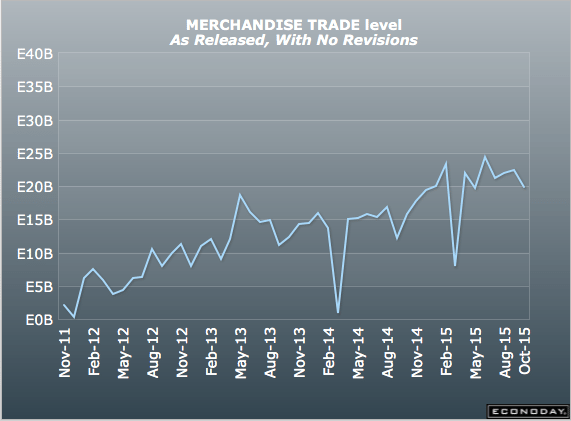
Think they realize exports are real costs and imports real benefits???

Obama Deems China ‘Manipulating’ Yuan, Geithner Says

by Rebecca Christie and Mark Drajem

Jan 22 (Bloomberg) — President Obama — backed by the conclusions of a broad range of economists — believes that China is manipulating its currency,” Geithner said in the remarks, which were posted on the Senate Finance Committee Web site today. “The new economic team will forge an integrated strategy on how best to achieve currency realignment in the current economic environment.


[top]

http://www.moslereconomics.com/wp-content/plugins/sociofluid/images/digg_48.png http://www.moslereconomics.com/wp-content/plugins/sociofluid/images/stumbleupon_48.png http://www.moslereconomics.com/wp-content/plugins/sociofluid/images/delicious_48.png http://www.moslereconomics.com/wp-content/plugins/sociofluid/images/newsvine_48.png http://www.moslereconomics.com/wp-content/plugins/sociofluid/images/technorati_48.png http://www.moslereconomics.com/wp-content/plugins/sociofluid/images/facebook_48.png http://www.moslereconomics.com/wp-content/plugins/sociofluid/images/twitter_48.png

Posted in Articles, China, Currencies, Obama | 1 Comment »

The Euro is reacting!

Posted by WARREN MOSLER on 22nd December 2008


[Skip to the end]

(email exchange)

Yes,

War!

Race to the bottom!

Whoever inflates the most wins!

>   
>   On Fri, Dec 19, 2008 at 2:26 PM, CLIFFORD wrote:
>   
>   THE EURO IS REACTING!!!
>   

  • Euro (Released n/a EST)

Euro (Dec 19)


[top]

http://www.moslereconomics.com/wp-content/plugins/sociofluid/images/digg_48.png http://www.moslereconomics.com/wp-content/plugins/sociofluid/images/stumbleupon_48.png http://www.moslereconomics.com/wp-content/plugins/sociofluid/images/delicious_48.png http://www.moslereconomics.com/wp-content/plugins/sociofluid/images/newsvine_48.png http://www.moslereconomics.com/wp-content/plugins/sociofluid/images/technorati_48.png http://www.moslereconomics.com/wp-content/plugins/sociofluid/images/facebook_48.png http://www.moslereconomics.com/wp-content/plugins/sociofluid/images/twitter_48.png

Posted in Currencies, Uncategorized | No Comments »

Russian Central Bank spent $58 billion backing Ruble (Update1)

Posted by WARREN MOSLER on 19th November 2008


[Skip to the end]

Russian Central Bank Spent $58 Billion Backing Ruble (Update1)

By Alex Nicholson and Maria Levitov

Nov. 19 (Bloomberg) — Russia’s central bank spent $57.5 billion defending the ruble in September and October, Chairman Sergey Ignatiev said.

Why would they ‘defend’ the ruble? Maybe they ‘defend’ it selectively, via transactions with ‘insiders’ moving from rubles to dollars?

Russia held 45 percent of its reserves in U.S. dollars, 44 percent in euros, 10 percent in pounds and about 1 percent in yen on Nov. 1, Ignatiev, said in the lower house of parliament in Moscow today.

“Russia ensures the stability of its currency, given the fundamental indicators of our economy,” Finance Minister Alexei Kudrin told lawmakers today. The amount of reserves ensures “a firm foundation for macroeconomic stability, for stability of the national currency,” he added.

Looks like I’m wrong on suspecting insider conversion. Sorry!!!

Russia’s international reserves stood at $475.4 billion as of Nov. 7, the third-biggest after China’s and Japan’s. They have fallen $122.7 billion since Aug. 8 as the central bank shored up the ruble. The bank buys and sells currency to keep it within a trading band against a dollar-euro basket to limit the impact of exchange-rate fluctuations on the economy.

Right, that’s the reason…

Ignatiev also said that the central bank reduced its holdings of Fannie Mae and Freddie Mac bonds, which are held by Russian oil funds that are part of the reserves, to $20.9 billion on Nov. 1 from $65.6 billion on Jan. 1.

Explains some of the spread widening.

Fannie and Freddie were “taken under state control” in the U.S. in September, guaranteeing their reliability, Ignatiev said. The bank isn’t currently selling bonds of the two U.S. mortgage- finance companies, he said.

Right, not even if an insider wants to buy them with rubles.


[top]

http://www.moslereconomics.com/wp-content/plugins/sociofluid/images/digg_48.png http://www.moslereconomics.com/wp-content/plugins/sociofluid/images/stumbleupon_48.png http://www.moslereconomics.com/wp-content/plugins/sociofluid/images/delicious_48.png http://www.moslereconomics.com/wp-content/plugins/sociofluid/images/newsvine_48.png http://www.moslereconomics.com/wp-content/plugins/sociofluid/images/technorati_48.png http://www.moslereconomics.com/wp-content/plugins/sociofluid/images/facebook_48.png http://www.moslereconomics.com/wp-content/plugins/sociofluid/images/twitter_48.png

Posted in Articles, Currencies, Russia | No Comments »

Re: Sarkozy Pushes for Abandonment of Dollar as World Reserve Currency

Posted by WARREN MOSLER on 14th November 2008


[Skip to the end]

(email exchange)

The dollar is a world reserve currency only because we are the only ones who ‘allow’ a trade deficit.

With a trade deficit, the rest of world is long your currency.

With a trade surplus, like japan, the world is short your currency.

The eurozone wants a trade surplus and to be a reserve currency.

They are either ignorant of how a monetary system works or have the arrogance of demanding the violation of an accounting identity by decree???

>   
>   On Fri, Nov 14, 2008 at 12:15 AM, Russell wrote:
>   
>   If True … hyper inflation in the pipe.
>   

Sarkozy Pushes for Abandonment of Dollar as World Reserve Currency

French President Nicolas Sarkozy said on Thursday ahead of the G20 meeting of world leaders:

“I am leaving tomorrow for Washington to explain that the dollar cannot claim to be the only currency in the world…, that what was true in 1945 can no longer be true today”.

There have been many previous indications that the dollar would not remain the world’s reserve currency for long. But this is a dramatic statement by a close American ally.

Reading between the lines, I am guessing that Sarkozy is pushing for a shift from the dollar to a basket of currencies as a world reserve standard, instead of a change to a single currency such as the Euro or the Yuan.

But we’ll have to wait and see what Sarkozy is really advocating.


[top]

http://www.moslereconomics.com/wp-content/plugins/sociofluid/images/digg_48.png http://www.moslereconomics.com/wp-content/plugins/sociofluid/images/stumbleupon_48.png http://www.moslereconomics.com/wp-content/plugins/sociofluid/images/delicious_48.png http://www.moslereconomics.com/wp-content/plugins/sociofluid/images/newsvine_48.png http://www.moslereconomics.com/wp-content/plugins/sociofluid/images/technorati_48.png http://www.moslereconomics.com/wp-content/plugins/sociofluid/images/facebook_48.png http://www.moslereconomics.com/wp-content/plugins/sociofluid/images/twitter_48.png

Posted in Articles, Currencies, EU | 5 Comments »

Re: G20 meeting to push fiscal adjustments

Posted by WARREN MOSLER on 10th November 2008


[Skip to the end]

(email exchange)

Seems none of them have any clue that they are better off doing it unilaterally and hoping the other don’t follow.

That would maximize their real terms of trade/standard of living.

This is our big chance for the us to act first, aggressively, and alone to absorb the entire world’s excess capacity rather than just our own.

We can have a payroll tax holiday and start up our infrastructure projects, etc. while encouraging others to hang tough on fiscal policy and sit back and watch their exports to the US skyrocket as they both build FX reserves (yes, encourage ‘currency manipulation’) and work to balance their budgets.

With economics, unlike most religion, it’s better to receive (real goods and services) than to give, and if others don’t know that it’s not our problem- it’s our opportunity!

>   
>   In purely economic terms you are correct, insofar as it is better to
>   receive a bushel of wheat than to export mounds of coffee. The first is
>   clearly a benefit and the 2nd a cost. But when you’re exporting
>   something further up the value chain, there do seem to be some good
>   multiplier effects which have a positive impact on domestic demand.
>   

Any nation can set aggregate demand at any level it wants independently of external forces.

>   
>   I’d also like to see the Chinese embark on a serious infrastructure
>   build for their interior, and encourage their population to become a
>   nation of rampant consumers.
>   

I’d like to see them continue to send all their stuff to us and accumulate $US financial assets.

But seems they may be too smart for that, as per their new stimulus program.

>   
>   I have no problem with everybody doing fiscal aggressively.
>   

As above.

>   
>   I also want a weaker dollar so that the cost of servicing these dollar
>   denominated debts declines in real terms.
>   

I’d rather see them servicing their USD debt by net exporting to us to get the needed USD.

But seems our leaders are not going to happen either.

They are killing the biggest goose of all time.


[top]

http://www.moslereconomics.com/wp-content/plugins/sociofluid/images/digg_48.png http://www.moslereconomics.com/wp-content/plugins/sociofluid/images/stumbleupon_48.png http://www.moslereconomics.com/wp-content/plugins/sociofluid/images/delicious_48.png http://www.moslereconomics.com/wp-content/plugins/sociofluid/images/newsvine_48.png http://www.moslereconomics.com/wp-content/plugins/sociofluid/images/technorati_48.png http://www.moslereconomics.com/wp-content/plugins/sociofluid/images/facebook_48.png http://www.moslereconomics.com/wp-content/plugins/sociofluid/images/twitter_48.png

Posted in Currencies | 2 Comments »

Yen strength

Posted by WARREN MOSLER on 6th November 2008


[Skip to the end]

BOJ Helpless as Yen Rises on Carry, UBS, Barclays Say

by Ron Harui and Stanley White

Nov. 6 (Bloomberg) — The Bank of Japan may be powerless to prevent the yen from rising to a 13-year high, according to the world’s biggest foreign-exchange traders.

Wrong! Japan can sell yen and buy dollars until the cows come home, if they wanted to. What’s stopping them (so far) is the risk of Paulson’s wrath.

As the US-Paulson/Bernanke/Bush- continues its ‘weak dollar’ policy to support US exports. Falling crude prices have (temporarily?) thwarted their efforts and strengthened the dollar. (And the euro has it’s own special issue as previously discussed.)


[top]

http://www.moslereconomics.com/wp-content/plugins/sociofluid/images/digg_48.png http://www.moslereconomics.com/wp-content/plugins/sociofluid/images/stumbleupon_48.png http://www.moslereconomics.com/wp-content/plugins/sociofluid/images/delicious_48.png http://www.moslereconomics.com/wp-content/plugins/sociofluid/images/newsvine_48.png http://www.moslereconomics.com/wp-content/plugins/sociofluid/images/technorati_48.png http://www.moslereconomics.com/wp-content/plugins/sociofluid/images/facebook_48.png http://www.moslereconomics.com/wp-content/plugins/sociofluid/images/twitter_48.png

Posted in Currencies, Japan | No Comments »

Re: Obama’s Yuan Calls- NOT GOOD

Posted by WARREN MOSLER on 6th November 2008


[Skip to the end]

>   
>   On Thu, Nov 6, 2008 at 7:09 AM, Michael wrote:
>   

Obama’s Yuan Calls May Put U.S. on Collision Course With China

by Judy Chen

Nov. 6 (Bloomberg) — Barack Obama’s calls for changes in China’s yuan policy may put the president-elect on a collision course with the U.S.’s second-largest trade partner, which is holding the currency stable to support its export-led economy.

Obama said China must stop manipulating the currency in a letter to the National Council of Textile Organizations released on Oct. 24.

This is counter productive for the US standard of living.

Obama has yet to discover imports are real benefits and exports real costs.

The People’s Bank of China has kept the yuan almost unchanged against the dollar since mid-July as it shifts focus from countering inflation to sustaining growth amid a global credit crisis. The Foreign Ministry said last week the U.S. shouldn’t blame its trade deficit on exchange rates.

“Obama may exert more pressure on China’s foreign-exchange policy to boost U.S. exports and curb unemployment, but China will first consider its own economic fundamentals,” said Ha Jiming, Hong Kong-based chief economist at China International Capital Corp., the nation’s first Sino-foreign investment bank.

Hopefully, Obama will see the light and it will instead be a case of ‘when the facts change I change’.

Policy of Stability
Paulson said on Oct. 21 that he is “pleased” that China’s currency has appreciated more than 20 percent since a peg against the dollar was abandoned in July 2005.

Paulson either has it backwards, or he’s being subversive.

“It will be emphasized in the next Strategic Economic Dialogue that it is more important than ever that China should rely more on domestic demand rather than its trade surplus to sustain economic growth,” said Nicholas Lardy, senior fellow at the Peterson Institute for International Economics in Washington.

Same- ignorant or subversive are the only possibilities.

“Currency manipulation has been a quite specific implication in law, and no other president has ever used that term,” said Straszheim. If Obama doesn’t take actions following the charge that China is manipulating the yuan, “he will be regarded as another old type politician who promises one thing during the campaign and does another in office,” he added.


[top]

http://www.moslereconomics.com/wp-content/plugins/sociofluid/images/digg_48.png http://www.moslereconomics.com/wp-content/plugins/sociofluid/images/stumbleupon_48.png http://www.moslereconomics.com/wp-content/plugins/sociofluid/images/delicious_48.png http://www.moslereconomics.com/wp-content/plugins/sociofluid/images/newsvine_48.png http://www.moslereconomics.com/wp-content/plugins/sociofluid/images/technorati_48.png http://www.moslereconomics.com/wp-content/plugins/sociofluid/images/facebook_48.png http://www.moslereconomics.com/wp-content/plugins/sociofluid/images/twitter_48.png

Posted in China, Currencies, Obama | No Comments »

Aussies buy their own currency

Posted by WARREN MOSLER on 27th October 2008


[Skip to the end]

“Australia’s central bank has intervened to support the tumbling Australian dollar, but failed to prevent its slide to five-year lows against the U.S. currency and its deepest-ever trough against the yen. “

This intervention has two purposes.

One is to keep the decline orderly, the other is anti-inflationary, as the apparent collapse in the currency is immediately passed through to import prices, which play a major role in domestic consumption.

The problem in using intervention to support one’s own currency is that reserves get depleted before the desired level of the currency is achieved.

One core issue is declining real terms of trade due to falling prices of Australia’s exports vs. the prices of their imports.

The other issue is internal distribution.

Australia digs and exports coal, for example, and the boats return full of consumer goods.

A falling currency alters distribution of consumption to those residents in export industries and away from the rest of the population.

The recent US history:

Over one year ago Paulson successfully got foreign CBs to stop buying dollars.

That, along with rising crude prices, sent the dollar to its subsequent lows.

He did this by calling CBs buying dollars currency manipulators and outlaws, insisting they let markets decide currency values.

This was a thinly veiled ploy to get the dollar down to spur exports, as articulated by the Fed chairman in subsequent congressional testimony.

It ‘worked’ as US exports grew at record pace and US GDP muddled through at modestly positive numbers. (A nation net imports exactly to the extent non residents realize their desire to accumulate its net financial assets, as discussed in previous posts)

It also caused a punishing decline in real terms of trade for the US and a decline in the US standard of living, but that was less important to policy makers than ‘pretty trade numbers’ and sustaining domestic demand via sufficiently supportive fiscal policy.

This all caused demand to fall overseas, as governments were (and for the most part remain) in the dark as to sustaining domestic demand, and their economies were directly or indirectly connected to exports to the US.

After Q2 this year rising US exports and falling non-petro imports broke the back of world economies and it has all come crashing down.

Falling crude prices due to ‘the great Mike Masters sell off’ (that I’m still waiting to run its course, and which last week’s OPEC cuts may be signaling), also made dollars a lot tougher to get and created a dollar squeeze on a world that had quietly gotten strung out on dollar borrowings.

Accumulating USD by non-residents to pay off debt in the private sectors is working to strengthen the USD the same way foreign CB accumulation had done.

It is bringing down their currencies and will eventually support foreign exports (at the expense of their real terms of trade, but that’s another story).

The US trade gap will fall substantially for a while as crude prices work their way into the numbers.

But then, should world private sector dollar ’savings’ get rebuilt via USD debt reduction, make foreign goods cheap enough for US imports to once again start to grow.

A substantial increase in US domestic demand via deficit spending (which should be forthcoming with an Obama presidency and democratic control in both houses of Congress.) can restore domestic output, employment, and US imports, to restore our standard of living to pre-Paulson levels.

If we have a policy that drops energy imports, otherwise we can give it all back in short order.

But that’s all getting ahead of one’s self.

For now, the strong dollar seems to be giving foreign CBs, like the RBA in Australia, an inflation scare even as their economies weaken, housing prices sag, and unemployment rises.

This is typical of emerging market economies- external debt burdens high inflation due to weak currencies (due to debt service from the external debt- they need to sell local currency to meet their external debt payments) high unemployment deteriorating real terms of trade as export prices fail to keep up with import prices.

Again, sorry for the earlier mix-up. Need to get my eyes checked!


[top]

http://www.moslereconomics.com/wp-content/plugins/sociofluid/images/digg_48.png http://www.moslereconomics.com/wp-content/plugins/sociofluid/images/stumbleupon_48.png http://www.moslereconomics.com/wp-content/plugins/sociofluid/images/delicious_48.png http://www.moslereconomics.com/wp-content/plugins/sociofluid/images/newsvine_48.png http://www.moslereconomics.com/wp-content/plugins/sociofluid/images/technorati_48.png http://www.moslereconomics.com/wp-content/plugins/sociofluid/images/facebook_48.png http://www.moslereconomics.com/wp-content/plugins/sociofluid/images/twitter_48.png

Posted in Currencies | 17 Comments »

Re: Yen strength

Posted by WARREN MOSLER on 24th October 2008


[Skip to the end]

(email exchange)

Yes! And it’s deep- Hungarian homeowners borrowed yen to buy their homes, for just one example.

And with Japan an importer of all its crude, lower prices make yen that much harder to get, much like USD. And maybe even more so.

>   
>   On Fri, Oct 24, 2008 at 9:17 AM, James wrote:
>   
>   Liquidation of Yen carry trades also in full force…..
>   


[top]

http://www.moslereconomics.com/wp-content/plugins/sociofluid/images/digg_48.png http://www.moslereconomics.com/wp-content/plugins/sociofluid/images/stumbleupon_48.png http://www.moslereconomics.com/wp-content/plugins/sociofluid/images/delicious_48.png http://www.moslereconomics.com/wp-content/plugins/sociofluid/images/newsvine_48.png http://www.moslereconomics.com/wp-content/plugins/sociofluid/images/technorati_48.png http://www.moslereconomics.com/wp-content/plugins/sociofluid/images/facebook_48.png http://www.moslereconomics.com/wp-content/plugins/sociofluid/images/twitter_48.png

Posted in Asia, Currencies | 2 Comments »

ECB council member foresees ‘tri-polar’ currency system

Posted by WARREN MOSLER on 20th October 2008


[Skip to the end]

(email exchange)

>   
>   On Sun, Oct 19, 2008 at 11:06 PM, wrote:
>   
>   Sure he can say that now so long as the Fed is there to
>   backstop everything. These Europeans have no shame.
>   

Right, the Eurozone is surviving on the unlimited Fed USD swap lines.

That’s a complete ideological failure for the Euro members.

It’s their worst nightmare- the ECB borrowing USD reserves to support the Euro Banking System.

ECB council member foresees ‘tri-polar’ currency system

By Jonathan Tirone

VIENNA, Austria — European Central Bank council member Ewald Nowotny said a “tri-polar” global currency system is developing between Asia, Europe, and the United States and that he’s skeptical the U.S. dollar’s centrality can be revived.


[top]

http://www.moslereconomics.com/wp-content/plugins/sociofluid/images/digg_48.png http://www.moslereconomics.com/wp-content/plugins/sociofluid/images/stumbleupon_48.png http://www.moslereconomics.com/wp-content/plugins/sociofluid/images/delicious_48.png http://www.moslereconomics.com/wp-content/plugins/sociofluid/images/newsvine_48.png http://www.moslereconomics.com/wp-content/plugins/sociofluid/images/technorati_48.png http://www.moslereconomics.com/wp-content/plugins/sociofluid/images/facebook_48.png http://www.moslereconomics.com/wp-content/plugins/sociofluid/images/twitter_48.png

Posted in Articles, Currencies, Email | No Comments »

Saudi Production falls slightly as Opec production falls 425,000 bpd

Posted by WARREN MOSLER on 6th October 2008


[Skip to the end]

Production falling some but overall demand probably remains high, as reported inventories remain very low, as the GMIL (Great Master’s Inventory Liquidation) may still be a factor as more pension funds resist adding to passive commodity strategies.

Several months ago a Saudi official said he though $85 was the ‘right’ price, but that doesn’t mean it’s their target.

They are still price setter, until their production is forces down by several million bpd by excess supply.

Meanwhile, lower crude prices both support the $US and help keep a lid on headline inflation.

OPEC September Crude Output Down 425,000 Bbl/Day to 32.19 Million

New York, Oct. 3 (Bloomberg) Crude-oil production from the 13 OPEC members in September declined 425,000 barrels a day from August, the latest Bloomberg survey of producers, oil companies and industry analysts shows. Figures are in the thousands of barrels a day.

Opec Production
September 2008

Opec Country Sept. Est. Aug. Output Monthly Change Nov. 1 Target Est. vs. Target Est. Cap. (@)
Algeria 1,400 1,410 -10 1,357 43 1,450
Angola** 1,800 1,880 -80 1,900 -100 1,930
Ecuador 500 500 0 520 -20 500
Indonesia 865 865 0 865 0 900
Iran 3,950 4,080 -130 3,817 133 4,100
Iraq** 2,135 2,310 -175 2,500
Kuwait# 2,600 2,600 0 2,531 69 2,650r
Libya 1,720 1,630 90 1,712 8 1,750
Nigeria 1,880 1,940r -60 2,163 -283 2,200
Qatar 880 880 0 828 52 900
Saudi Arabia# 9,450 9,500 -50 8,943 507 10,800
U.A.E 2,650 2,660 -10 2,567 83 2,800r
Venezuela 2,360 2,360 0 2,470 -110 2,500
Total OPEC-13 32,190 32,165r -425 34,980r
Total OPEC-12* 30,055 30,305r -250 29,673 382 32,480r

**Iraq has no quota. Quotas effective Nov. 1, except for OPEC’s newest members,
Angola and Ecuador, who were formally assigned output targets Dec. 5, 2007.
OPEC announced a quota target of 28.808 million bbls/day at its Sept. 10
meeting but that figure excludes Indonesia who plans to leave the producer formally at year-end.

Totals rounded.

r = revised @ = Capacity attainable within 30 days and sustainable for 90 days.
# Includes Neutral Zone production shared equally between Saudi Arabia & Kuwait.


[top]

http://www.moslereconomics.com/wp-content/plugins/sociofluid/images/digg_48.png http://www.moslereconomics.com/wp-content/plugins/sociofluid/images/stumbleupon_48.png http://www.moslereconomics.com/wp-content/plugins/sociofluid/images/delicious_48.png http://www.moslereconomics.com/wp-content/plugins/sociofluid/images/newsvine_48.png http://www.moslereconomics.com/wp-content/plugins/sociofluid/images/technorati_48.png http://www.moslereconomics.com/wp-content/plugins/sociofluid/images/facebook_48.png http://www.moslereconomics.com/wp-content/plugins/sociofluid/images/twitter_48.png

Posted in Currencies, Oil | No Comments »

Eurozone on the Brink

Posted by WARREN MOSLER on 2nd October 2008


[Skip to the end]

Hi Joseph,

Agreed, and this attitude continues this morning, with comments like ‘Europe needs this slowdown to bring down inflation’ as their opinion leaders argue against a rate cut (not that a rate cut would actually help demand as they think it would, but that’s another story).

It seems they are actually welcoming this weakness, probably out of fear unemployment was getting far too low to ‘discipline’ the unions, as wage demands were anecdotally featured in the Eurozone news.

France’s proposal for a 300 billion euro wide fund to calm bank depositors was immediately shot down by Germany (not that it would have or could have been sufficient to stop a run on the banking system, but that too is another story).

It is also becoming more clear that effectively major euro lending institutions have found themselves massively ‘long’ euros and ’short’ dollars. The Fed’s swap lines have grown to over $600 billion, mainly with the ECB. This means the ECB is borrowing USD from the Fed to lend to its banks. This represents the same kind of external debt that has brought down currencies since time began. Running up external debt to sustain your currency is highly unlikely to succeed.

Ultimately, their only exit is to sell euros and buy the USD needed to cover their net USD needs. The resulting fall in the currency can spiral into a serious run on the banking system. Unlike Americans who run to high quality securities in their local currency when they get scared, Europeans and their institutions tend to flee the currency itself.

While the national governments will attempt to contain any such run, they don’t have the capability, as they are all limited fiscally by both law and market forces, with the latter the far stronger force. Only the ECB can write the check of the size needed, no matter how large, but they are currently prohibited by treaty from making such a fiscal transfer.

I have serious doubts the Eurozone can get through this week without entering into a system wide banking crisis that will end with the payments system being closed down until it reopens with bank deposit insurance at the ‘federal level’- in this case from the ECB itself.

The Eurozone would have been ’saved’ if the US has responded with a fiscal response in the range of 5% of GDP, and continued to increase imports and keep the world export industries alive.

But that didn’t happen, and, by design, that channel was cut off when Paulson, supported by Bernanke and Bush, managed to convince foreign central banks to stop accumulating USD reserves.

This both killed the goose laying the golden eggs for the US (imports are a real benefit and exports a real cost), as US exports have boomed and real terms of trade fell, and also triggered the looming collapse of the Eurozone as exports fell off and domestic demand remained weak.

Good morning!


[top]

http://www.moslereconomics.com/wp-content/plugins/sociofluid/images/digg_48.png http://www.moslereconomics.com/wp-content/plugins/sociofluid/images/stumbleupon_48.png http://www.moslereconomics.com/wp-content/plugins/sociofluid/images/delicious_48.png http://www.moslereconomics.com/wp-content/plugins/sociofluid/images/newsvine_48.png http://www.moslereconomics.com/wp-content/plugins/sociofluid/images/technorati_48.png http://www.moslereconomics.com/wp-content/plugins/sociofluid/images/facebook_48.png http://www.moslereconomics.com/wp-content/plugins/sociofluid/images/twitter_48.png

Posted in Currencies, ECB, EU | 3 Comments »

Wednesday beginning on the weak side

Posted by WARREN MOSLER on 1st October 2008


[Skip to the end]

Could be a very tough three days coming.

Yesterday probably used up all the Paulson plan rally exuberance. Yesterday could have been the first leg of a classic buy the rumor/sell the news event.

The package has been sold by threats of ‘grave risks’. Now the risk is the package doesn’t do anything for those ‘grave risks’ which it won’t, particularly in Europe. And they know cutting rates in the US did little or nothing, reducing expectations of what a rate cut could do in Europe.

Crude back up over $102 right now. This tends to weaken the USD as it increases the US import bill, but for now the desire to exit the Euro could overwhelm that.


[top]

http://www.moslereconomics.com/wp-content/plugins/sociofluid/images/digg_48.png http://www.moslereconomics.com/wp-content/plugins/sociofluid/images/stumbleupon_48.png http://www.moslereconomics.com/wp-content/plugins/sociofluid/images/delicious_48.png http://www.moslereconomics.com/wp-content/plugins/sociofluid/images/newsvine_48.png http://www.moslereconomics.com/wp-content/plugins/sociofluid/images/technorati_48.png http://www.moslereconomics.com/wp-content/plugins/sociofluid/images/facebook_48.png http://www.moslereconomics.com/wp-content/plugins/sociofluid/images/twitter_48.png

Posted in Currencies, Interest Rates | No Comments »